Designing Inclusion
A Classroom Toolkit for Early Childhood
Designing Inclusion is a storytelling and discussion activity developed by Silvia Alberti as part of her graduate research in Graphic Design and Human–Computer Interaction at Iowa State University.
Created in collaboration with the ISU Child Development Laboratory School, the toolkit was designed for early childhood classrooms (ages 3–5).
Through narrative and guided redesign activities, children explore how everyday objects can be transformed through color, imagination, and creativity. The structure supports open conversations about difference, design, and inclusion in an age-appropriate and engaging way.
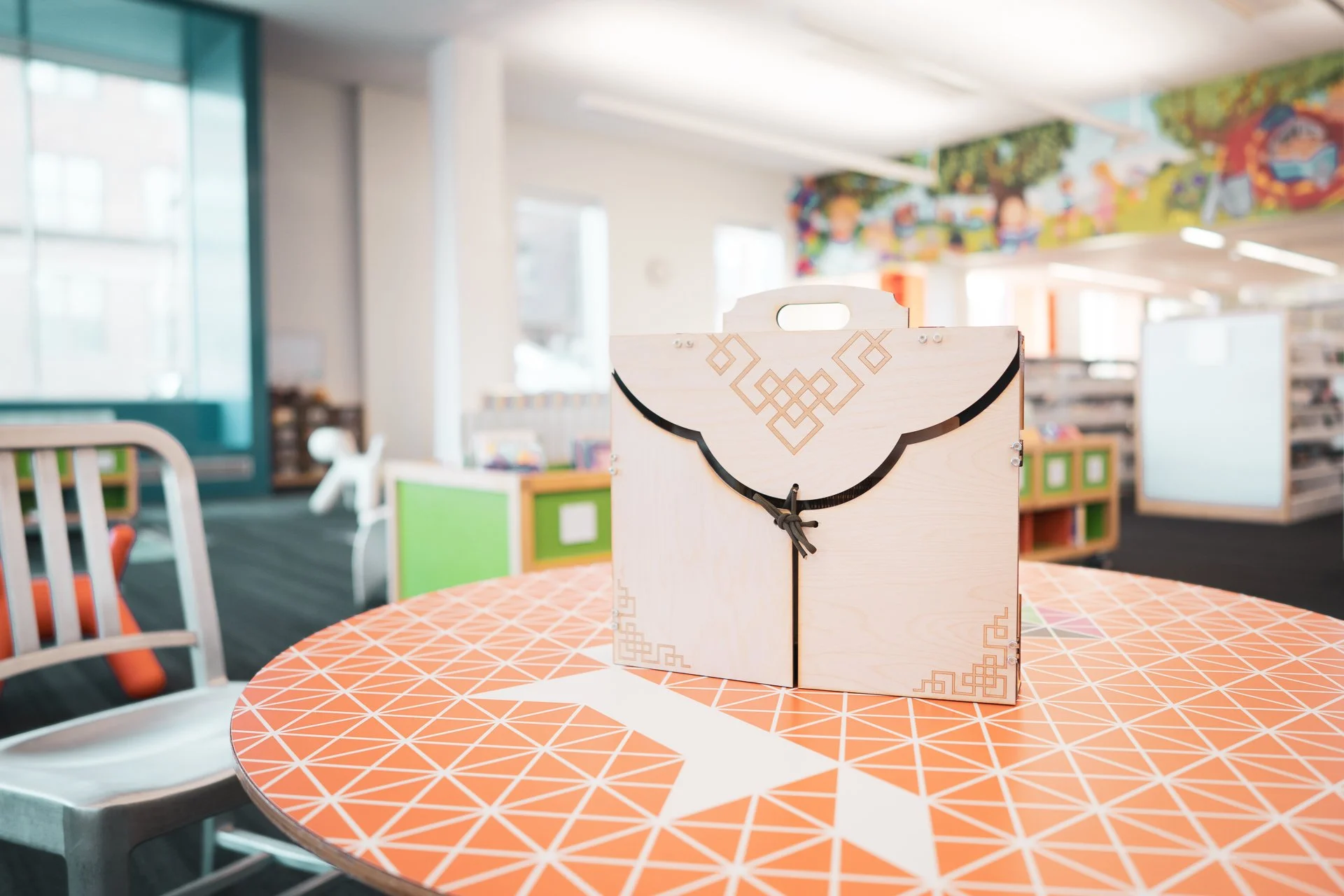
the toolkit
The activity unfolds in two structured phases designed for early childhood classrooms.
It begins with a short illustrated story that introduces imagination and visual transformation through the metaphor of a paintbrush. Children see familiar objects change in color and surface detail, ending with an invitation to help continue the transformation themselves.
Following the story, educators guide a discussion using assistive device flashcards. Each device is presented first in grayscale, inviting children to describe what they see and imagine how they would redesign it. The reverse side reveals an alternative design: not as a correct answer, but as another possibility.
Together, the story and flashcards create a guided space for discussion, creativity, and reflection. The structure is simple, repeatable, and adaptable to different classrooms.
• Design shapes perception • Inclusion starts early
• Design shapes perception • Inclusion starts early
How It Works
01
Read the short story using the Kamishibai theater
02
Introduce the flashcards one at a time.
03
Invite children to imagine how they would redesign each object
04
Reveal the alternate design to sustain engagement.
What’s Included?
Kamishibai Story Cards
(Printable PDF)
Assistive Device Flashcards
(Grayscale + Redesigned)
Assembly Guide
(PDF)
Facilitator Instructions
(PDF)
Why It Matters
This activity invites children to think creatively, speak collaboratively, and imagine alternatives together. Through guided storytelling and visual comparison, students move beyond describing what objects do and begin exploring how they might look, feel, and express identity.
By redesigning familiar assistive devices, children practice empathy through design. They learn that objects are not fixed—they can be shaped, personalized, and made meaningful. The activity creates space for personal expression while supporting respectful dialogue around difference.
This toolkit is part of an ongoing research initiative investigating how visual and interaction design influence social perception in early childhood. Classroom implementation contributes to a broader effort to understand how structured design activities can foster inclusive thinking from an early age.
Laser Materials
-
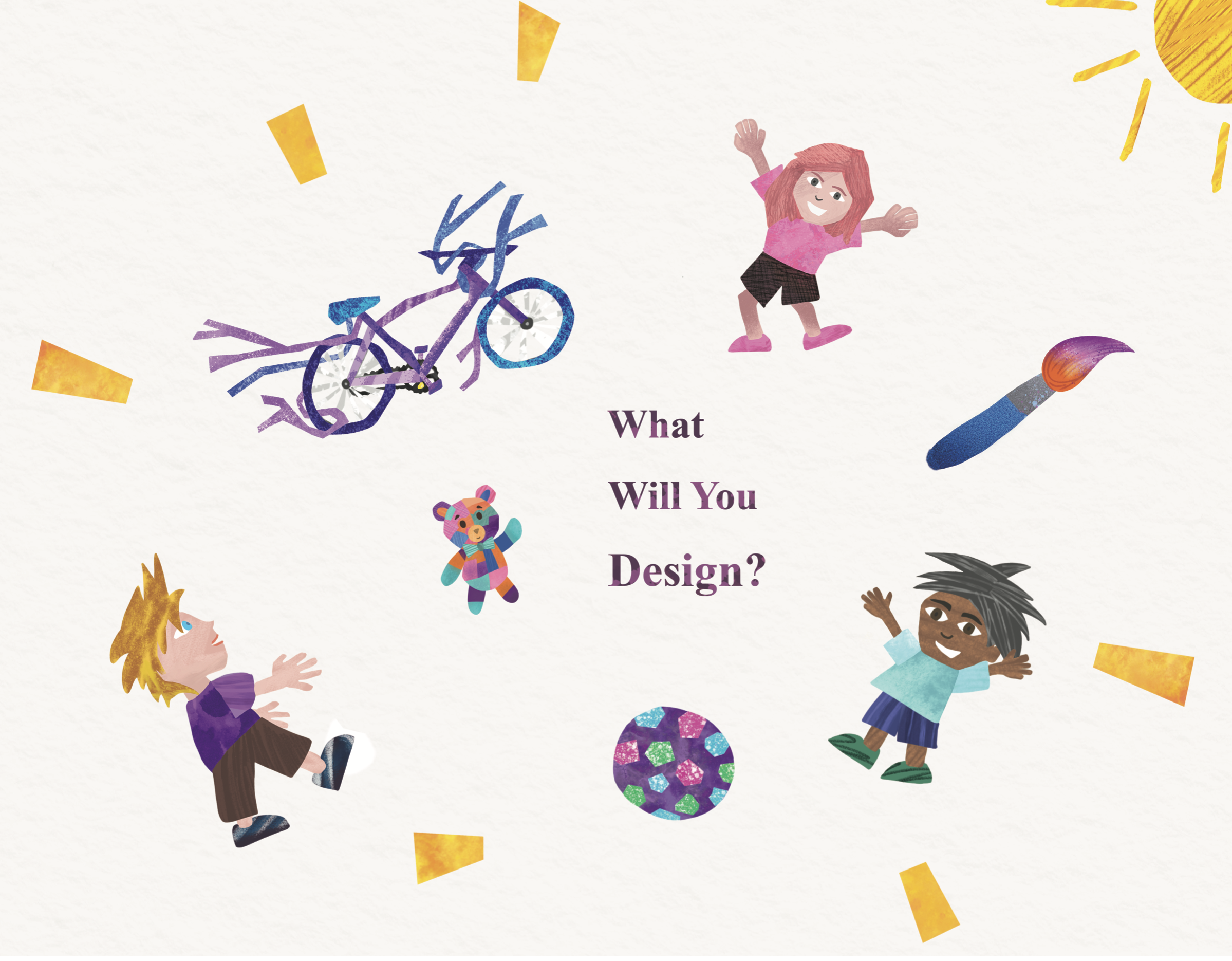
Story Cards
-
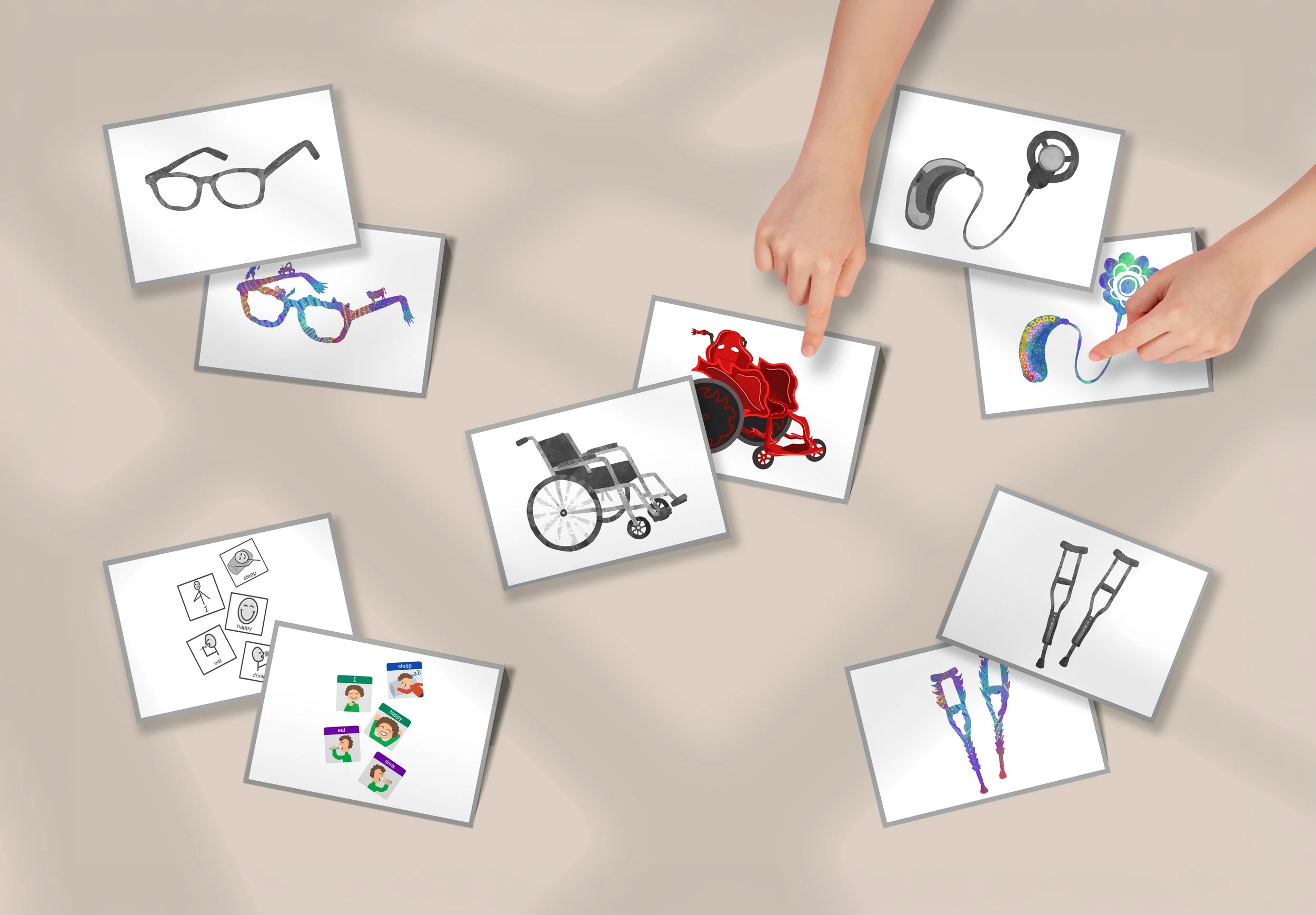
Flashcards
-
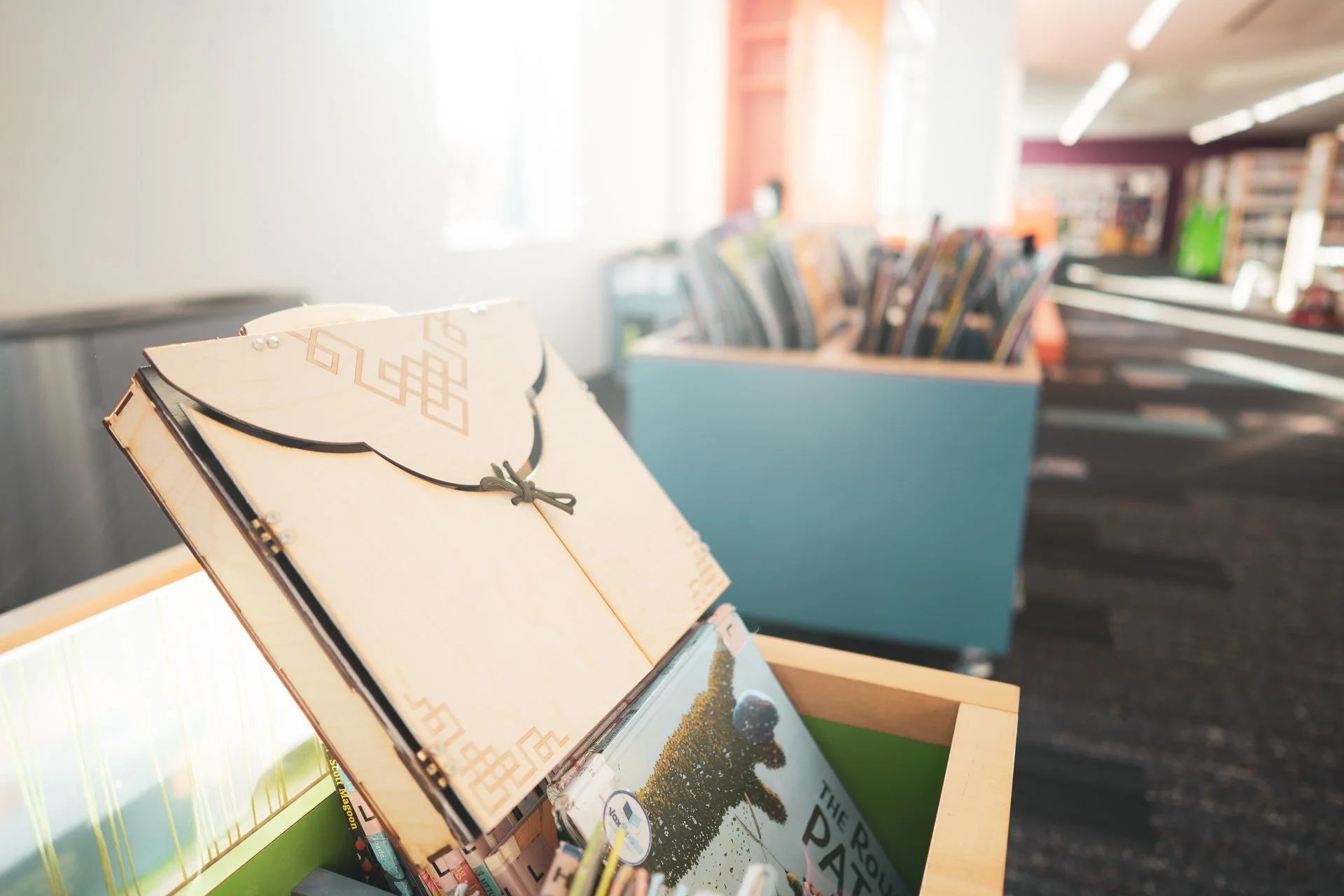
Theater Files
-
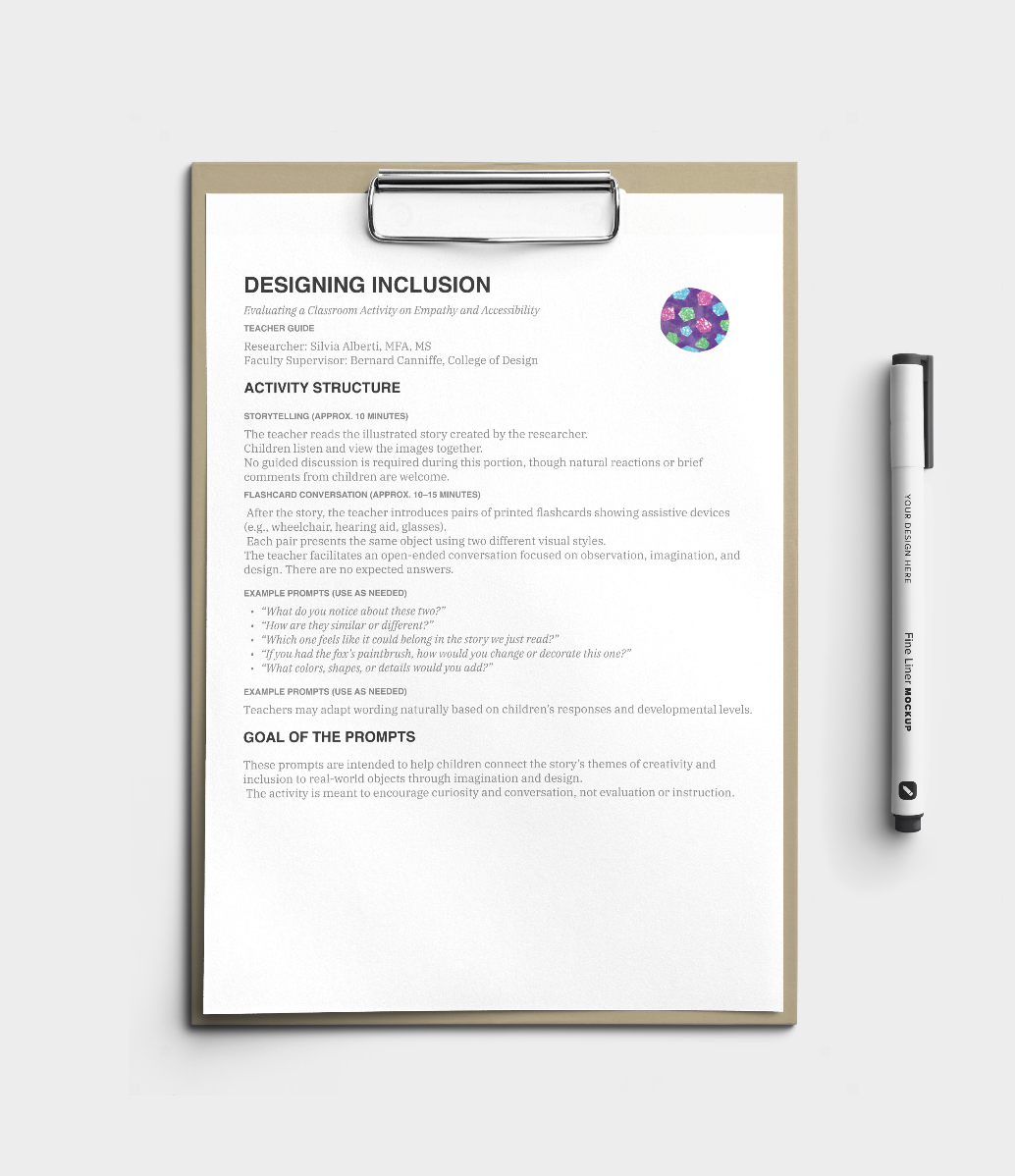
Facilitator Guide
Cardboard Materials
-
Story Cards
-
Flashcards
-
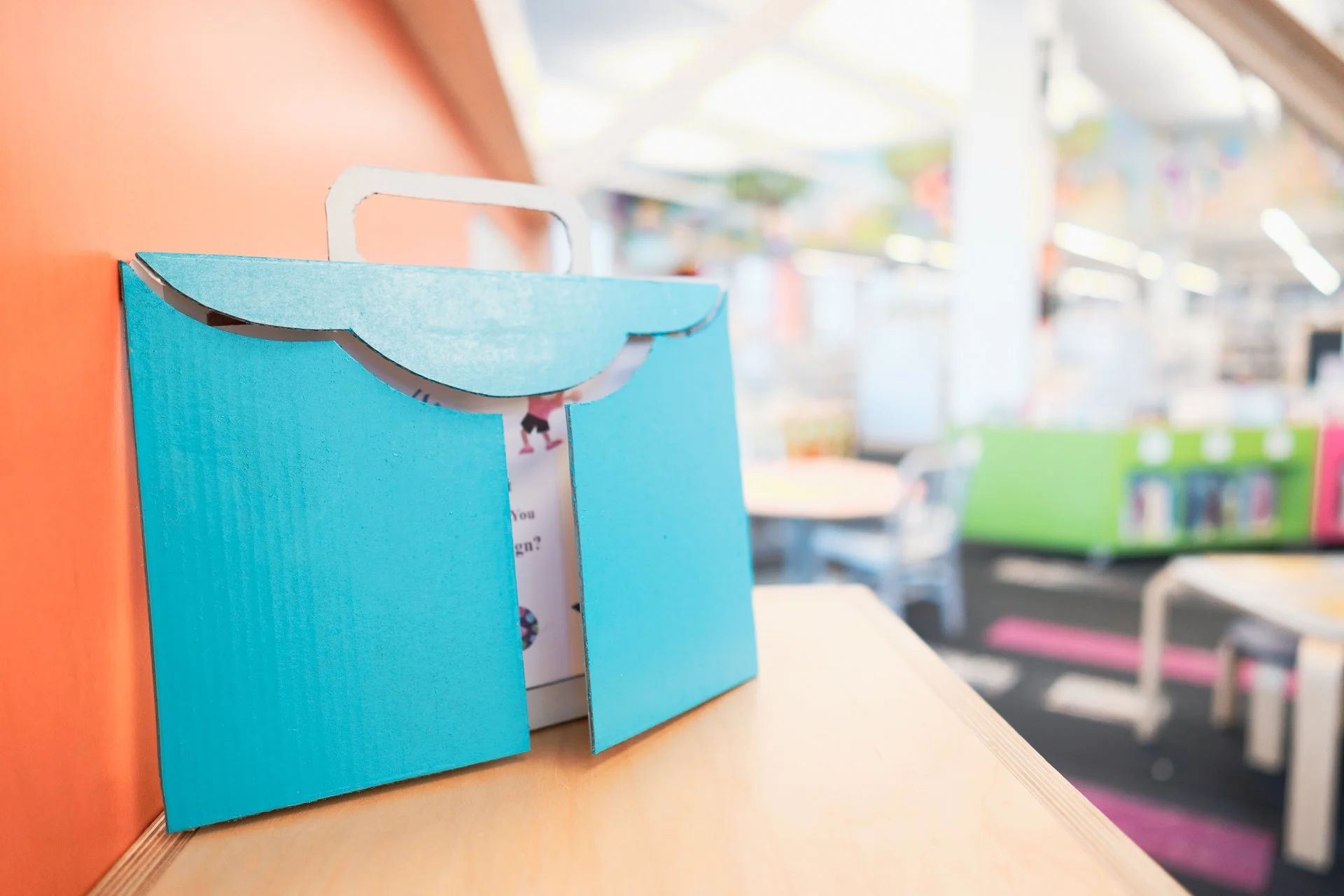
Theater Files
-
Facilitator Guide
Interested in Collaborating?
This toolkit is part of an ongoing research initiative exploring how design can support inclusive conversations in early childhood education.
If you are an educator, school, or organization interested in implementing the activity, adapting it to your context, or participating in future studies, I welcome collaboration.